
LiPo Battery International Shipping Guide
Posted by Gens ace on Aug 9th 2026
Shipping LiPo batteries (or products that contain LiPo batteries, such as our Lokithor jump starter) overseas requires strict compliance with regulations. Failure to do so can easily lead to shipment rejection. To avoid delays that prevent customers from receiving their orders on time and to maintain the service quality of Gens Ace and Tattu, we strictly follow the rules below.
Classification Basics
Most of our LiPo batteries fall under:
- UN3480 – batteries shipped by themselves
- UN3481 – batteries packed with or contained in equipment
Therefore, the majority of our air and sea shipments are labeled with UN3480. Only a small number of products (such as our Lokithor jump starter) use UN3481 battery shipping labels.
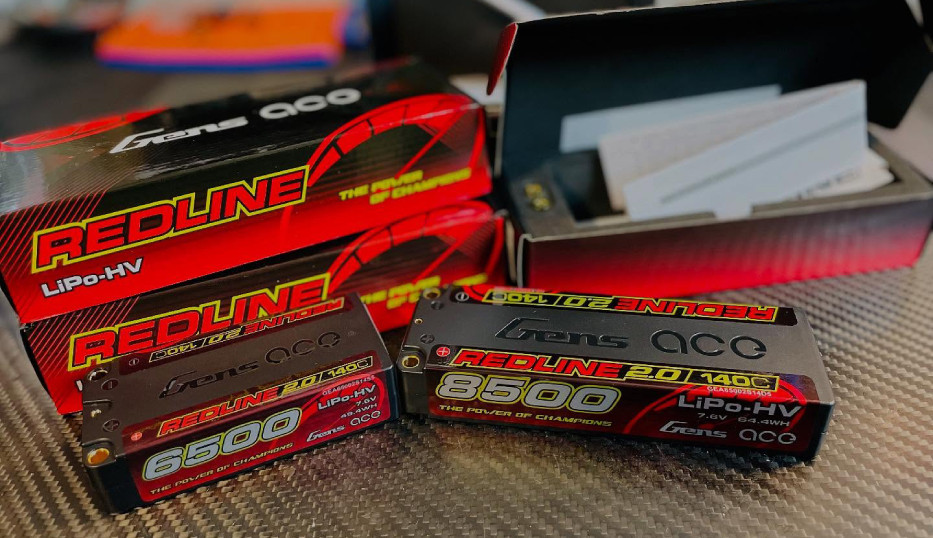
One important requirement is that the Watt-hour (Wh) rating must be clearly marked on the battery itself or its packaging. For pure cells, the Wh rating also needs to be indicated.
Air Shipping (IATA DGR)
Standalone LiPo batteries can only be shipped on cargo aircraft. This is why, when the order is not urgent, we often prefer sea freight — it is slower but significantly lower in cost.
From 2026, batteries must be shipped at a state of charge (SoC) of ≤ 30%. Some customers have reported that the battery voltage appears low when they receive the product. This is normal and expected under current air transport regulations.
For batteries shipped alone, we follow Packing Instruction PI 965. Requirements differ based on Watt-hour rating:
- Batteries ≤ 100 Wh
- Batteries > 100 Wh (these are considered larger batteries)
Larger batteries (over 100 Wh), such as many of our Tattu high-capacity packs, require UN-specification packaging and a full Dangerous Goods Declaration.
Required labels usually include: Class 9 hazard label + Cargo Aircraft Only label + lithium battery mark (where applicable).
Sea Shipping (IMDG Code)
Sea freight is more flexible:
- Batteries ≤ 100 Wh often qualify under Special Provision 188, which allows lighter packaging and marking requirements. (Wh is calculated as capacity in Ah × nominal voltage. For example, a 5000mAh 3S 11.1V battery is 5Ah × 11.1V = 55.5 Wh.)
- Batteries > 100 Wh must be shipped as full Class 9 dangerous goods.
Unlike air transport, there is no mandatory 30% SoC limit for sea shipments. This allows us to keep the batteries at a storage voltage of around 3.8V per cell for safer and more stable transportation.
Essential Requirements
- UN 38.3 Test Summary is mandatory for all battery designs. We have our batteries tested in advance by qualified laboratories. This is an international transport safety standard and is different from the performance, quality, or safety tests we conduct in our own factory.
- Proper short-circuit protection and strong outer packaging are required in all cases. In practice, this means properly protecting the discharge connectors so they cannot contact metal or cause a short circuit. For example, many RC airplane and RC boat batteries have exposed connectors — we usually cover them with insulating clear tubing.
- Key documents usually include: Commercial Invoice, Packing List, UN 38.3 Test Summary, SDS/MSDS, Shipper’s Declaration (for full dangerous goods shipments), and correct labels. In practice, an experienced freight forwarder will normally help prepare the Shipper’s Declaration and check whether the packaging meets the requirements. The Commercial Invoice, Packing List, UN 38.3 report, and SDS still need to be provided by us.
Choosing a Freight Forwarder
It is important to work with a reliable freight forwarder that has solid experience in handling lithium batteries. We recommend confirming the specific requirements of the destination country with your forwarder, as rules in Europe and the United States can differ. Regulations are also updated every year, so it is necessary to verify the latest IATA and IMDG versions for each shipment.